
Services

Individual
Supporting adult individuals. Primarily First-Generation Latinx women who need support in Life Transitions, Anxiety, Relationship & interpersonal issues, Self-esteem, Stress, Trauma-related issues.
Couples
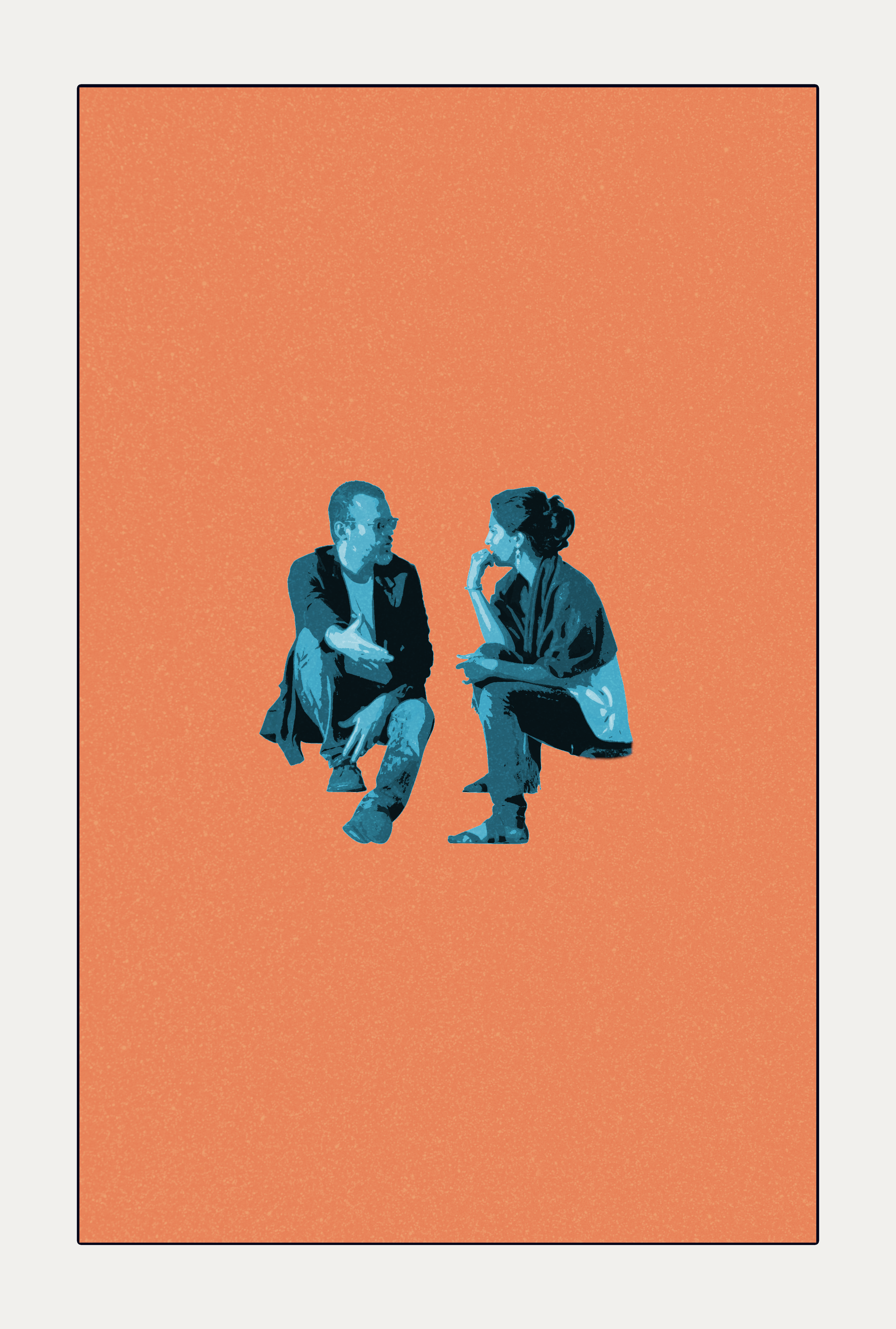
I provide couples therapy to help partners strengthen communication, rebuild trust, and navigate life's challenges together. I welcome and affirm couples of all backgrounds, including LGBTQ+ relationships, in a supportive and inclusive therapeutic environment.
Family
I help families navigate the unique challenges that can arise between parents and their adult children, including communication difficulties, life transitions, and boundary concerns. Therapy provides a collaborative space to improve understanding, resolve conflict, and build healthier relationships.
Internal Family Systems (IFS)
A therapeutic model that views every human being as a system of protective and wounded inner parts guided by a core Self. It teaches that the mind is naturally multiple—and that this multiplicity is healthy—because, like members of a family, inner parts can be pushed into extreme roles but also have valuable inherent qualities. IFS helps people access their undamaged, compassionate Self, which knows how to heal, and from that inner leadership, understand and transform their parts, fostering both inner and outer connectedness. The movie Inside Out by Pixar is a good reference for the internal world of parts.
Relational Therapy
Relational therapy is a therapeutic approach based on the idea that mutually satisfying relationships with others are necessary for one’s emotional well-being. This type of psychotherapy takes into account the ways in which social and familial factors relate to the relationships in a person’s life.
Parts & Memory
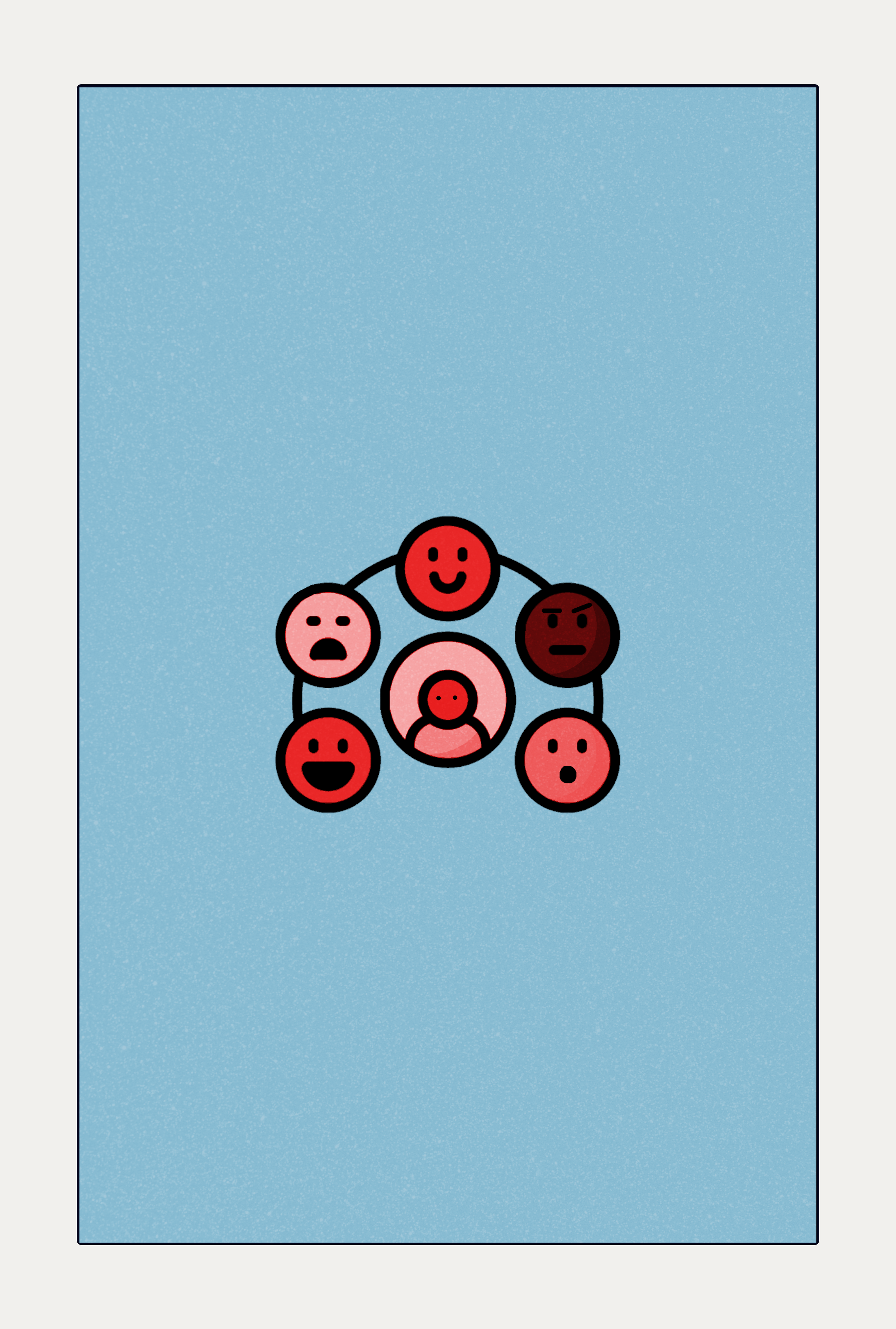
Parts and Memory Therapy is an approach to counseling that recognizes we all have different "parts" of ourselves. For example, one part of you may feel confident, while another part may feel anxious, hurt, or protective. These parts often develop in response to difficult or overwhelming life experiences.
In therapy, we gently identify the parts of you that are carrying emotional pain from the past. Using guided visualization and other therapeutic techniques, we help those parts process and release the emotional weight of those experiences, allowing for greater healing, balance, and well-being. If you've seen Pixar's Inside Out, it offers a helpful way to imagine how different parts of ourselves can influence our thoughts, feelings, and behaviors.

Person-Centered
Person-centered therapy employs a non-authoritative approach that allows clients to take more of a lead in sessions such that, in the process, they discover their own solutions. The therapist will not actively direct conversation in sessions, or judge or interpret what you say, but they may restate your words in an effort to fully understand your thoughts and feelings (and to help you do the same). There may be moments of silence in person-centered therapy, to allow your thoughts to sink in. This client-focused process is intended to facilitate self-discovery and self-acceptance and provide a means of healing and positive growth.
Trauma-Informed
Trauma-informed realizes the widespread impact of trauma and understands potential paths for recovery; recognizes the signs and symptoms of trauma in clients, families, staff, and others involved with the system; and responds by fully integrating knowledge about trauma into policies, procedures, and practices, while seeking to actively resist re-traumatization.
Trauma-informed therapy is not about a specific intervention but rather tailoring interventions in the context of the individual’s trauma history, triggers, and specific needs. It is a lens through which the therapist views their clients, taking into account the impact of trauma on emotions, regulation, and behavior. They will also consider the effects of intergenerational trauma on clients.

CBT
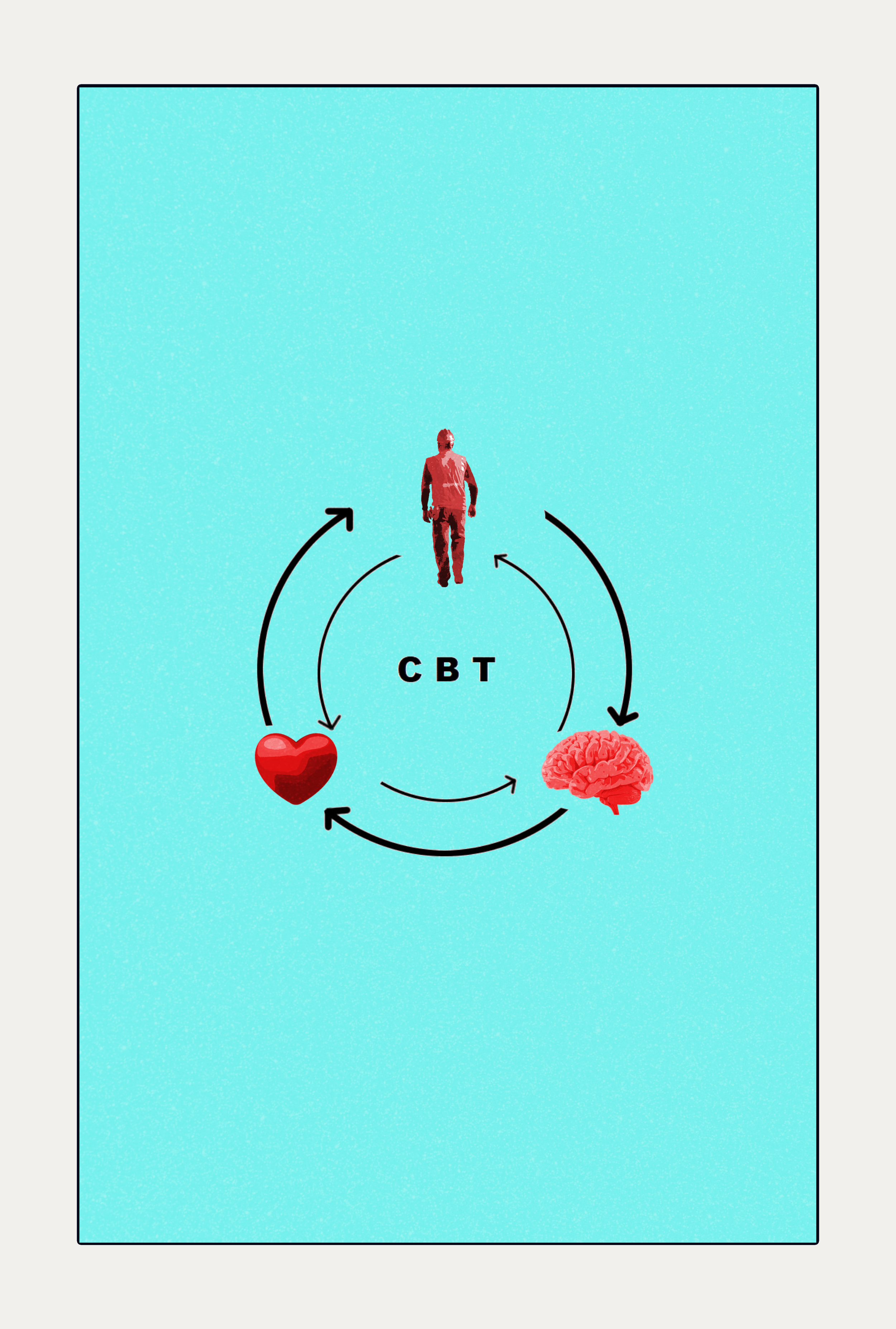
Cognitive behavioral therapy (CBT) is based on several core principles, including: Psychological problems are based, in part, on faulty or unhelpful ways of thinking. Psychological problems are based, in part, on learned patterns of unhelpful behavior. People suffering from psychological problems can learn better ways of coping with them, thereby relieving their symptoms and becoming more effective in their lives.
CBT treatment usually involves efforts to change thinking patterns. These strategies might include: Learning to recognize one’s distortions in thinking that are creating problems, and then to reevaluate them in light of reality. Gaining a better understanding of the behavior and motivation of others. Using problem-solving skills to cope with difficult situations. Learning to develop a greater sense of confidence in one’s own abilities.